
A glazier and mirror specialist (known in French as a miroitier) is a highly skilled craftsman who specialises in processing, cutting and installing glass, whether for glazing in buildings or for bespoke decorative pieces.
Although the French name comes from the word for mirror, the job goes far beyond mirrors and calls for expertise that sits at the crossroads of building, joinery and interior design. Whether it is to improve thermal insulation, make large glazed openings safer, enhance a room with a made-to-measure mirror or integrate technical glass into a contemporary project, a glazier provides a tailored, precise and elegant solution.
At Monaco Fenêtres, we carry on this tradition of glasswork with high standards of quality and attention to every detail. The trade keeps evolving and embracing new technologies, yet it retains its craftsmanship and bespoke character, serving truly exceptional projects.
What does a glazier and mirror specialist do?
The work of a glazier covers two main areas:
Architectural glazing
Working on new builds and renovation projects, the architectural glazier installs windows, glass partitions, glass doors, shopfronts and verandas. The role is both technical and safety-critical: it ensures that every installation is watertight, robust and compliant with insulation and safety standards. The glazier works hand in hand with architects, joiners and other trades.
Decorative glass and mirror work
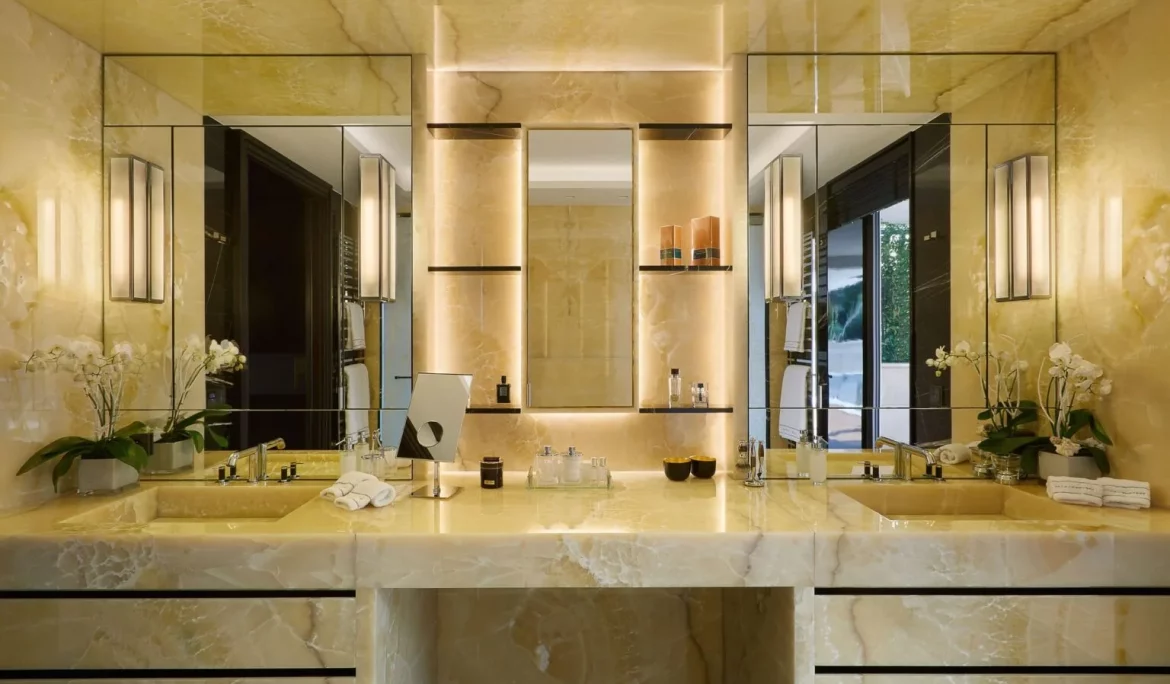
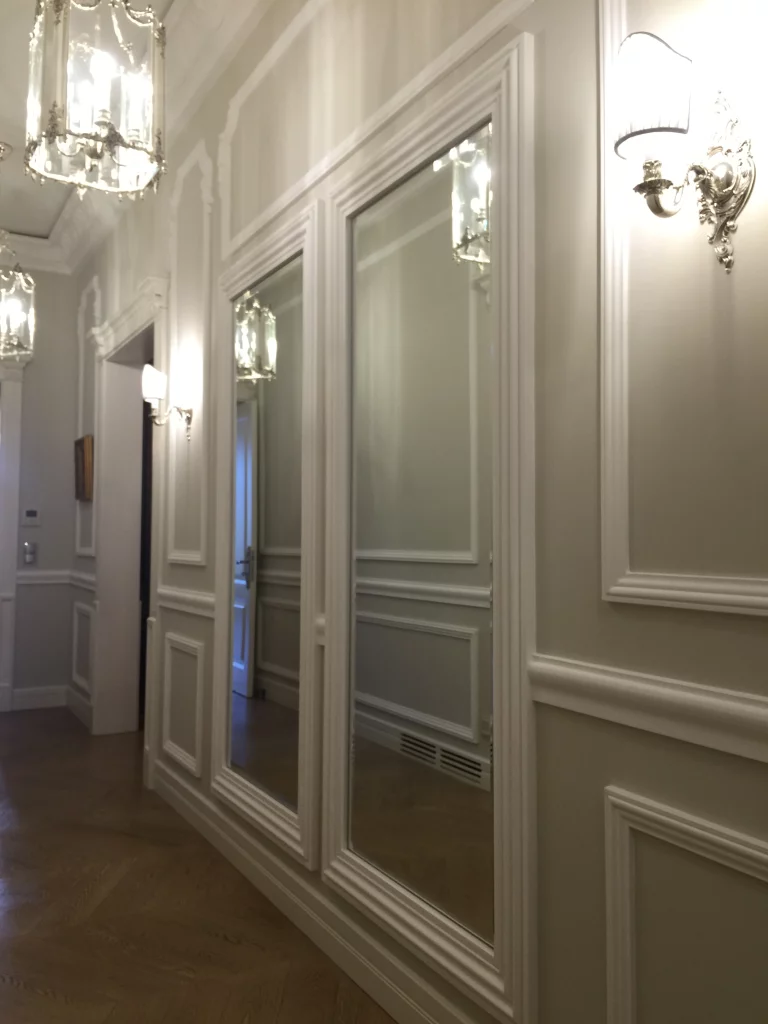
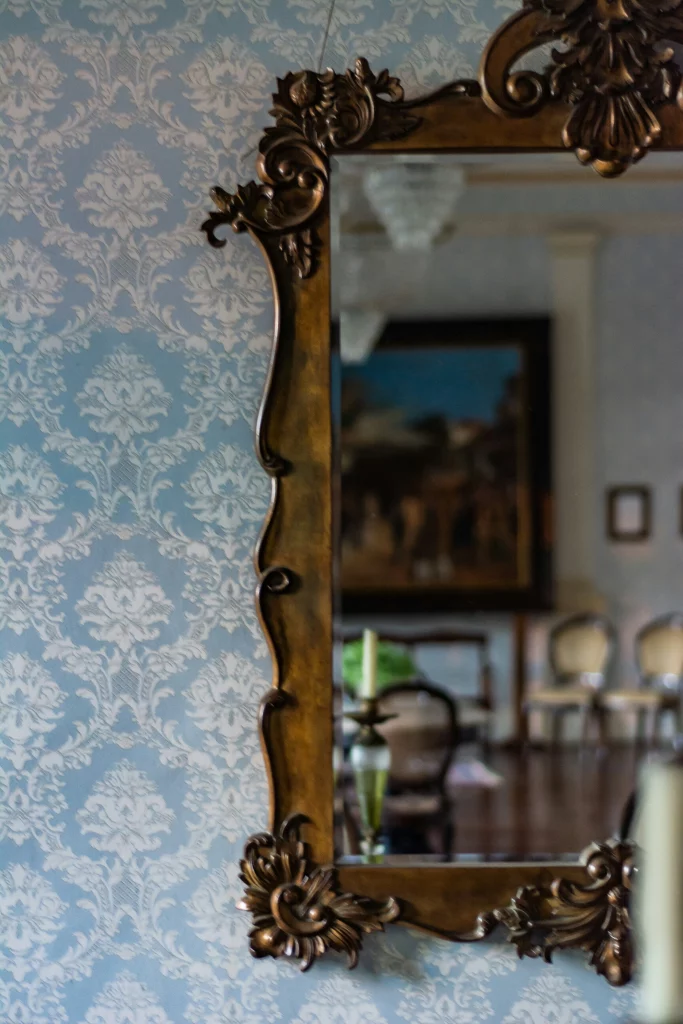
Less well known but just as valuable, the decorative glass specialist designs, restores or reproduces bespoke decorative pieces: bevelled mirrors, glass domes, designer furniture or patterned antique glazing. Artistic flair is combined with technical mastery. To find out more, read our article on the history of mirrors and their role in interior design, which explains the unique place this object holds in the world of glass.
A wide range of work
Windows, shopfronts, shower screens, glass balustrades, splashbacks, interior partitions, large mirrors and insulated glazing: the applications are endless. Every project is unique and requires the right balance between function, safety and style.
The main stages of a glazier’s work
A glazier’s work involves several key stages, from the first conversation with the client to the finishing touches on the installed piece.
1. Measuring up and understanding the brief
Everything starts with listening carefully to the client. The glazier assesses the technical constraints and suggests suitable solutions, whether it is a replacement, a bespoke creation or a more complex architectural project.
2. Cutting and shaping the glass
Using CNC machines, diamond glass cutters or grinders, the glazier cuts the glass to size. The edges are also finished to ensure safety and a clean look, depending on how the glass will be used (laminated, toughened, sandblasted, etc.).
3. Designing or adjusting frames
In some cases, the glazier makes or adapts the frames that will hold the glass: aluminium, timber or PVC frames, or metal structures. This additional skill is essential for a stable, long-lasting installation.
4. On-site installation
The glazier then installs the piece in its final position, paying particular attention to sealing, fixing and safety. Closing, locking or shading elements can also be integrated.
5. Finishing, maintenance and repairs
Glaziers also provide maintenance and renovation services: replacing broken panes, restoring antique mirrors or making aesthetic adjustments. They advise clients on how to care for glass surfaces, depending on the coatings applied (scratch-resistant, anti-fog, etc.).
6. Installing the latest glass technologies
Glaziers are increasingly asked to install modern solutions: heated, smart, switchable or connected glazing. These technological advances reinforce the technical and innovative side of the profession.
*Monaco Fenêtres handles every stage of the process except manufacturing, which is entrusted to our specialist partners.
Key skills and qualities
Working with glass takes far more than manual dexterity. The glazier’s trade relies on demanding expertise that combines craftsmanship, technical know-how and a strong sense of service.
Precision and attention to detail
Glass is a noble material… and a fragile one. A single error can compromise the safety of an installation or the quality of the work. Mastering cutting, shaping and installation tools requires constant rigour. Every movement counts.
Technical knowledge
A glazier needs a thorough knowledge of the different types of glass (toughened, laminated, sandblasted, low-iron, etc.), as well as associated materials such as aluminium, timber and PVC. They must also keep up to date with current regulations, particularly on thermal and acoustic insulation and safety.
Teamwork and flexibility
Working on many different sites, glaziers collaborate with other trades (joiners, architects, locksmiths, etc.). They must adapt to a wide range of situations, which can sometimes be challenging (tight deadlines, difficult access, weather conditions).
An eye for design and good advice
Glaziers often work in highly visible, prestigious spaces. A good eye for design is a real asset in bringing an interior project to life. They also help clients choose finishes, tints and the desired level of transparency.
At Monaco Fenêtres, our standards go beyond technique: we pay close attention to the quality of the finish and how it blends into the décor, and to the satisfaction of every client, whether a private homeowner or an exceptional hotel or business.
How glaziers are trained in France
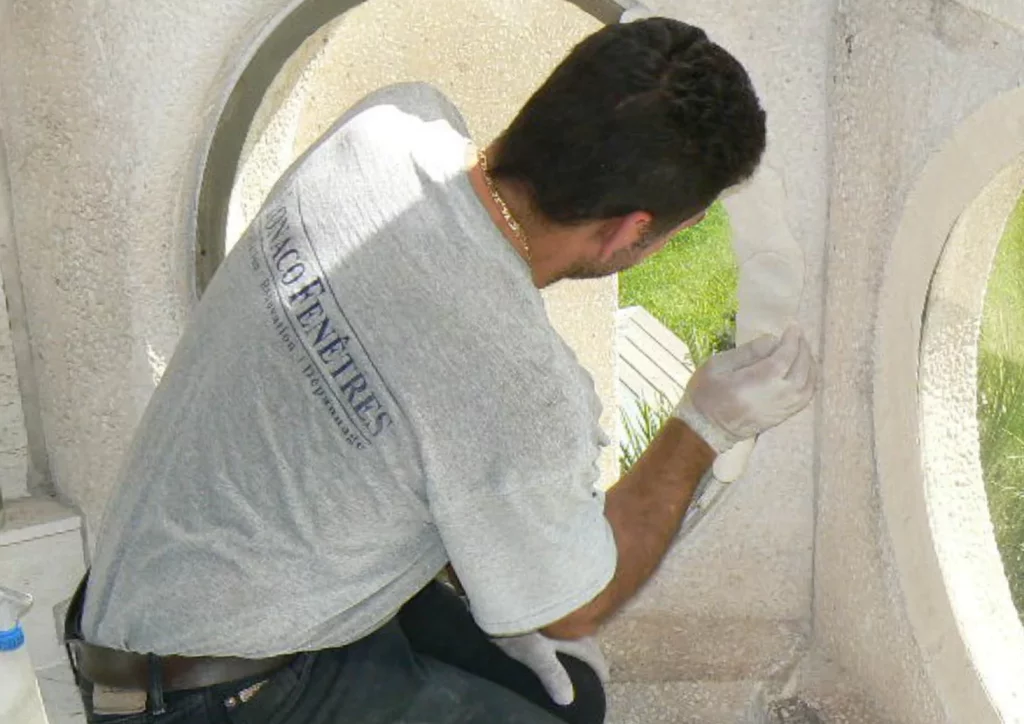
In France, the trade can be learnt through several vocational training routes, whether straight after school or as a career change. The sector offers real opportunities for progression, especially in demanding companies like ours.
- CAP Menuisier aluminium-verre (2 years): the most common entry-level qualification, covering cutting, installation and frame-making techniques.
- Bac Pro Menuiserie Aluminium-Verre or Brevet Professionnel Miroiterie: to specialise further, work independently on site or become a team leader.
- Certified professional qualifications and accreditation of prior experience (VAE): for adults already working in building or joinery who want to retrain or have their skills formally recognised.
At Monaco Fenêtres, we believe in know-how built on experience, in passing on precise techniques and in ongoing training, to keep pace with new materials and clients’ expectations.
Glaziers today: where craftsmanship meets technology
The glazier’s trade has changed considerably. Long seen as purely a craft, it is now driven by innovation and high precision.
Design, safety and comfort
Glass is no longer just a functional element. It has become a design feature, a source of natural light and a driver of thermal performance. Glaziers now play a key role in delivering sustainable, elegant solutions: laminated, toughened, acoustic, self-cleaning and solar-control glazing are part of their everyday work.
Complex projects
As architecture incorporates more and more technology (smart buildings, automated lighting and temperature control), glaziers play an active part in transforming living spaces. They install, for example, switchable privacy glass, motorised glass doors and modular partitions.
Versatility and adaptability
With such a variety of projects, from historic buildings to contemporary villas, glaziers need to be highly adaptable. At Monaco Fenêtres, our team combines craftsmanship with technical excellence in every kind of setting, from Menton to Saint-Tropez.
We also invite you to explore the history of mirrors to better understand how this ancient and fascinating trade has evolved.
FAQ: everything you need to know about glaziers
1. Do glaziers only work with mirrors?
No. Despite the French name, a miroitier works with all types of glazing: windows, partitions, shower screens, shopfronts, verandas and glass furniture. Mirrors are only part of the job.
2. What is the difference between a glazier and a mirror specialist?
The two trades are closely related, but a mirror specialist has broader expertise, particularly in shaping and installing complex or decorative pieces. They work both indoors and outdoors and can design bespoke pieces.
3. What qualities does a good glazier need?
A glazier needs precision and attention to detail, as well as an eye for design and good people skills. They often work as part of a team and must follow strict safety standards.
4. Can you become a glazier through a career change?
Yes. Adult training courses and professional qualifications make it possible to acquire the necessary skills, even without a background in building. Schemes such as VAE (accreditation of prior experience) make the transition easier.
5. Is glazing still a trade with a future?
Absolutely. With the rise of contemporary architecture, innovative materials and bespoke projects, the profession is being truly modernised. Qualified glaziers are in high demand, especially in dynamic regions such as the French Riviera.